What is Osteopenia and Osteoporosis?
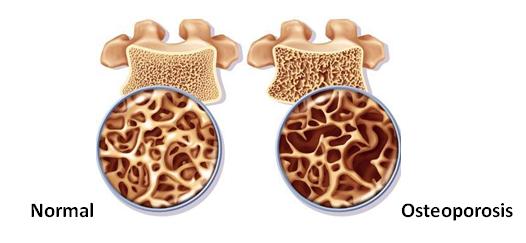
Osteopenia is a condition in which bone mineral density is lower than normal. It is considered by many doctors to be a precursor to osteoporosis.
Osteoporosis is a disease characterized not only by a loss of bone mass, but also by increased bone fragility and risk of fracture.
Who does it affect?
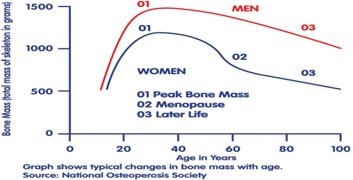
Bone density peaks between 20 to 30 years old, followed by gradual decrease as we age. Women are affected more than men, especially post-menopause when estrogen hormone levels drop significantly. Estrogen assists bone formation by facilitating calcium uptake, which is then used to strengthen our bones.
Additional risk factors include alcoholism, smoking, poor dietary habits, obesity, history of eating disorders and other medical conditions.
What can I do? An ounce of prevention is worth a pound of cure
In an effort to prevent osteopenia/osteoporosis, the goal is to accumulate bone mass (ideally prior to menopause). Eating a proper diet that is high in calcium and vitamin D and performing regular strength training exercises will help improve bone mineral density and diminish loss of bone mass.
Calcium is an essential nutrient for bone health and vitamin D improves the absorption of calcium. During fall, winter, and spring, Canadians should be taking vitamin D supplements. The lack of sun exposure on our skin makes us vitamin D deficient which affects bone health (as well as depression).
Studies show that strength training exercises involving weights encourages bone growth and repair through bone remodeling. Bone has a unique capability for growth and self-repair - it adapts to mechanical loads or strain placed upon it through exercise.
What types of exercises will improve bone density?
Moderate Importance:Aerobic exercise. Walking combined with stepping at a moderate intensity can be moderately effective in offsetting the decline in bone mineral density in osteopenic postmenopausal women. Aerobic exercise may maintain or slow the loss of bone mass in people aged 50 and over.
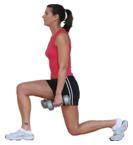
Higher Importance:Strength training with weights. Bone mass throughout the body can be increased with a strength program compared to an endurance program.Exercises that are more intense appear to be more effective than gentle exercises for increasing bone mass. Higher resistance signals a greater response from the body to increase bone mass.
Cardio and Strength:Multi-component training. Strength and impact exercises, such as jogging on the spot and jumping exercises, can also lead to increases in bone mineral density. Combinations of different exercise programs are able to improve, or at least prevent, bone decline among post-menopausal women.
How do I get started?
With the right exercises performed in the appropriate amounts, you can improve bone density and decrease your risk of fracture. Exercise programs should be tailored to each individual. Call our clinic (613-521-3222) and speak with David Witiluk, Registered Kinesiologist, to learn how you can improve your bone health.
Additional Resources
- Osteoporosis Canada: http://www.osteoporosis.ca/
- National Institute of Health: http://www.niams.nih.gov/health_info/bone/osteoporosis/
- Health and Bone: http://healthandbone.ca/en/home/